What is the most important element in crafting an effective CV?
It isn’t downloading a fancy design with your favourite colour combination. Nor including emoji type icons to ‘attract the reader’. Nor is it listing the tiniest detail of what you did in that job 15 years ago because it was ‘really important’.
Lots of people have acronym-based approaches, so reflecting over a coffee this morning, I had a think about it and thought I’d create my own.
I like cats, and so do millions of others online, so I thought that a ‘CAT’ approach might be ‘good for social engagement’, but couldn’t think of something strong enough for the letter T. Hey ho.
But then I realised that I had already been using a specific approach for a few years, so instead…
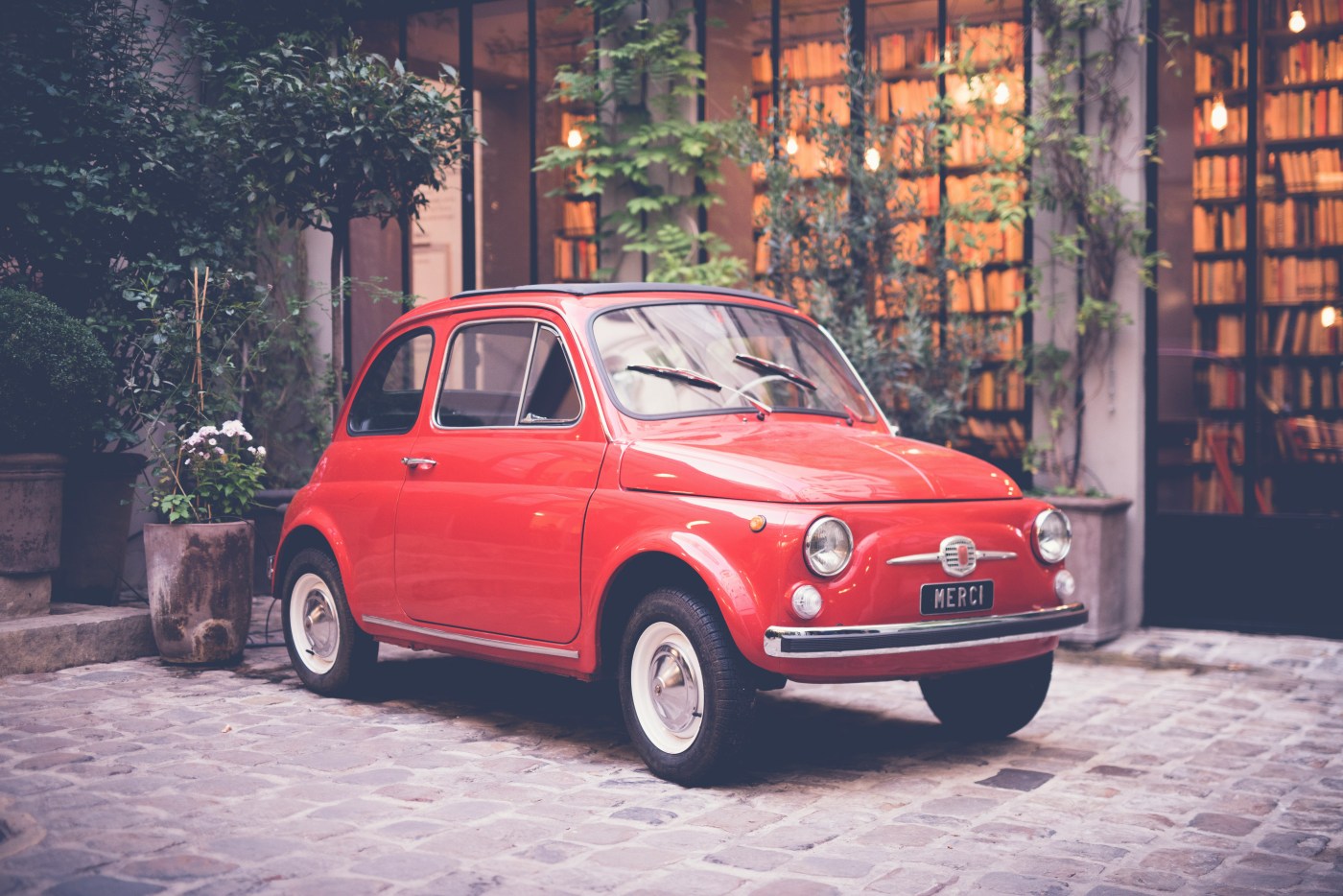
Welcome to the CAR approach.
Make it clear and concise
Don’t waffle.
What’s the headline of what you did? They don’t need the full story, however much you might want to tell them. The recruiter/hiring manager reads hundreds/thousands of CVs. Why not make it easy for them?
Make it achievement-focused
Recruiters and hiring managers want to see the results of what you did for the business, not just a list of things you did. That’s just a job description. If you can use quantifiable metrics such as the example below, all the better:
- Increased EMEA sales by 25% by creating innovative strategies in collaboration with marketing department.
But what if I don’t have quantifiable metrics? No problem. Pop by when I publish that post next week and you can find out…
Make it relevant
This is arguably the most important of the three. A recruiter might lose interest in your CV if it is not relevant to the role that they are trying to fill. Again, make their life as easy as possible.
Tailor your CV to the role that you’re applying for.
- Focus on the skills, experience and achievements that are relevant to the role. Perhaps include some of this in the profile at the top of your CV.
- Keep information about earlier roles shorter than your current/recent role, unless directly relevant to the targeted role.
- They don’t need to know your full address, marital status or if you have a driving license. Or if you like reading in your free time. Unless you’re planning to be a proofreader perhaps.
So, there you go, when you are writing your CV, think CAR.
- Be clear and concise
- Be achievement-focused
- Be relevant
If you would like some help putting your CV together because you are having CAR trouble (see what I did there), get in touch.
Email jason@jncv.co.uk
Linkedin Jason Newton
Photo 🇸🇮 Janko Ferlič on Unsplash
 jncv.co.uk
Leave a comment